Large Backyard Chicken Run
Highlighted under: Global Kitchen
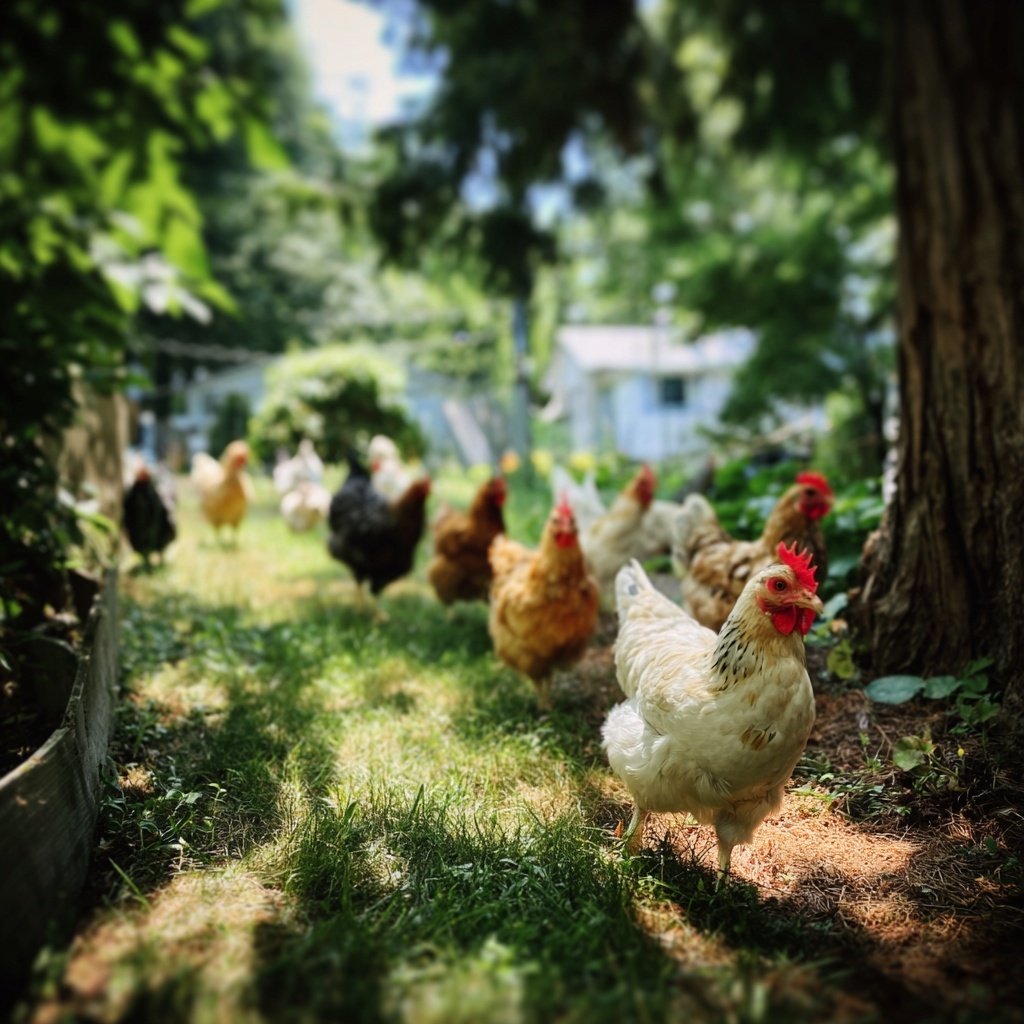
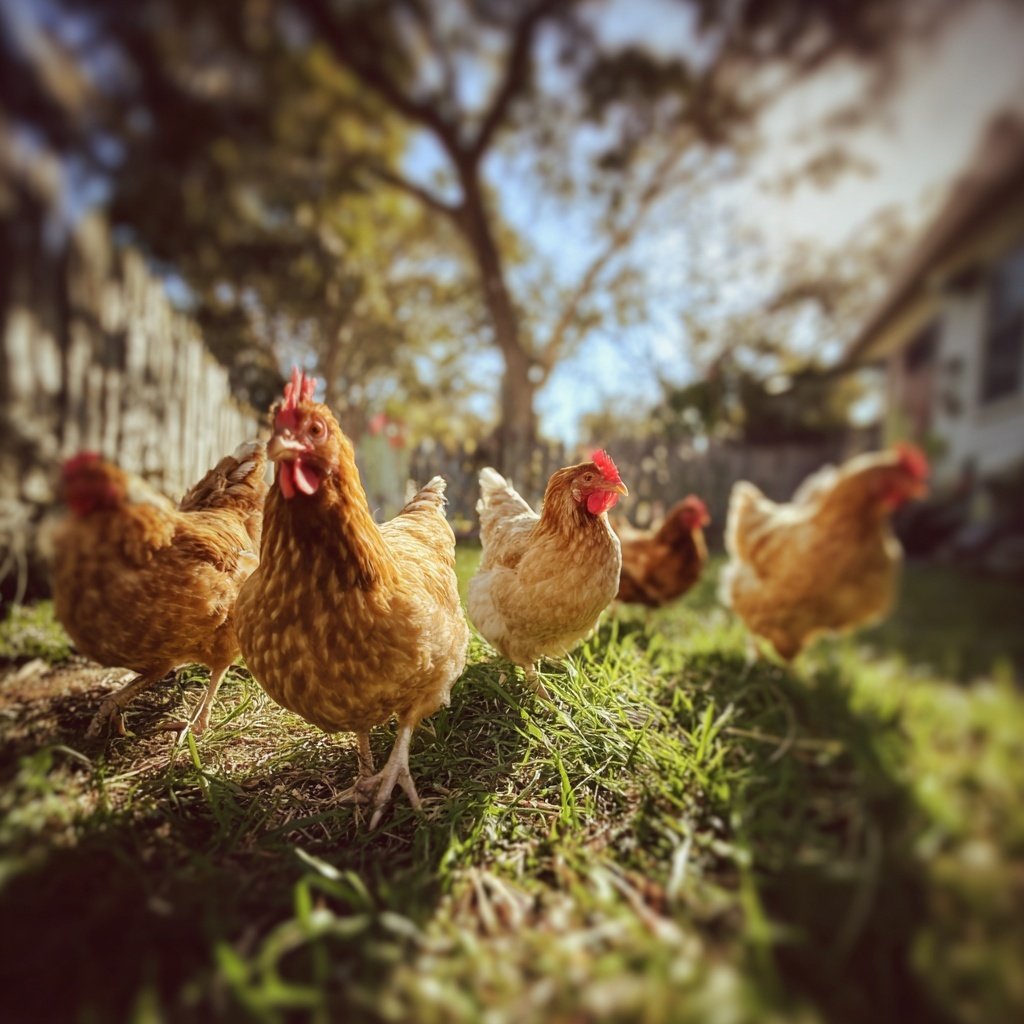
When we decided to add chickens to our backyard, one of the first things we realized was the necessity of a spacious, secure chicken run. I wanted to ensure my feathered friends had plenty of room to roam while also being protected from predators. Crafting this chicken run transformed our backyard into a lively, thriving space for both the chickens and my family. After experimenting with various designs, I can confidently share some must-know tips to create the perfect chicken haven in your yard.
I remember the day we first introduced our chickens to their new home. The joy on their faces as they explored the chicken run was priceless. We had painted the wooden frames and added sturdy fencing for protection, which kept our chickens safe and comfortable as they grazed and played. The design allows for plenty of sunlight and ventilation, which I learned is crucial for their well-being.
One key detail I discovered is the importance of having shaded spots in the run during hot days; we dedicated a section with a tarp that kept them cool when the sun blazed down. This little addition helped reduce stress among the hens, and it's a technique I highly recommend to anyone planning a similar project.
Why You Will Love This Chicken Run
- A spacious environment for chickens to exercise and express natural behaviors
- Easy access for cleaning and maintaining the enclosure
- Customizable design that fits any backyard layout
Planning the Perfect Space
Before you start building the chicken run, it's essential to carefully plan the layout. Consider the size of your flock and the amount of space they'll need to thrive. A good rule of thumb is to provide at least 10 square feet per chicken in the run area. Sketching out the design helps visualize the spacing between elements like feeders, waterers, and dust baths, ensuring that your chickens will have a comfortable environment to move around freely.
Additionally, take into account the proximity to your home and any nearby trees or structures that could cast shadows. Chickens enjoy foraging and prefer areas that provide both sun and shade. Also, be sure to plan for easy access points for cleaning and maintenance tasks, which will save you time and hassle in the long run.
Securing Your Chickens
Safety is a top priority when constructing your chicken run. Using wire mesh fencing is vital, but ensure it’s at least 6 feet high to deter predators like raccoons and coyotes. Bury the bottom of the fencing underground, or use hardware cloth, to prevent digging threats. For extra security, consider installing a roof on your run; this can be achieved with either wooden boards or additional mesh, which protects against aerial predators and harsh weather conditions.
Regularly check the fencing for wear or any gaps that may develop over time. A thorough inspection every few months will help catch potential breaches before your chickens can escape or predators can enter. Keeping a vigilant eye on your run's condition ensures a long-lasting and safe environment for your flock.
Enhanced Comfort and Care
Creating shaded areas within the chicken run is crucial for keeping your chickens comfortable during hot days. I recommend positioning tarps strategically to block direct sunlight while still allowing for air circulation. This not only keeps them cool but also encourages them to remain active and happy. Regularly inspect the condition of the shade materials to ensure they remain intact and effective.
Furthermore, incorporating varied structures, like perches and dust bathing areas, enhances their living space. Dust baths are essential for chicken hygiene, and you can easily create these using sand and diatomaceous earth. Maintaining these features is straightforward and significantly boosts the overall well-being of your flock, making your chicken run a cozy and delightful space for both your chickens and yourself.
Ingredients
Materials Needed
- 2x4 wooden boards
- Wire mesh fencing
- Wooden posts
- Tarp for shade
- Hinges and locks for gates
- Concrete for stability
Instructions
Follow these steps to create your ideal chicken run:
Design Your Layout
Sketch out the dimensions of your chicken run on paper, considering how much space you want to provide for your chickens.
Prepare the Site
Choose a flat area in your backyard and clear out any debris or sharp objects. Ensure it is away from direct sunlight for long periods.
Build the Frame
Use the 2x4 wooden boards to construct a rectangular frame for the base of the chicken run.
Install the Fence
Attach the wire mesh fencing around the frame, ensuring it is tall enough to prevent predators from attacking.
Create a Roof
For added protection, consider creating a roof using wooden boards or additional wire mesh.
Add a Shade Structure
Attach a tarp or any shade material to provide cooling spots for the chickens during hot weather.
Finish with Gates
Install gates using hinges and locks to ensure easy access for feeding and maintenance.
With these steps, your chickens will have a beautiful and secure run to thrive in!
Pro Tips
- Always check for any sharp edges on the wire or wood to ensure safety for your chickens. Regular maintenance and cleaning will keep the run hygienic and comfortable for your pets.
Common Challenges and Fixes
One common issue when building a chicken run is improper drainage, which can lead to muddy conditions and health issues for your chickens. To prevent this, make sure the run is slightly elevated from the surrounding ground, and consider installing gravel or wood chips as flooring. This will help with drainage, maintaining a dry environment for your chickens.
Another potential problem is attracting pests to the area, especially if feed is not stored properly. Always use secure, airtight containers for chicken feed, and regularly clean up any spills to minimize attraction to rodents and other unwanted critters.
Maintenance Tips
Regular maintenance is key to a successful chicken run. Plan to clean out the run at least once a week, removing any waste and replacing bedding materials. This not only keeps the area sanitary but creates a healthy environment for your chickens, reducing the risk of diseases and parasites.
During colder months, additional insulation or shelter may be necessary to protect your chickens from harsh temperatures. Ensure that the run is free from drafts while still allowing proper ventilation to keep the air fresh. Reinforcing the roof and covering any gaps prevents heat loss and keeps your chickens cozy throughout the winter.
Future Expansion Ideas
As your chicken-keeping journey progresses, you may want to consider expanding your run or adding new features. If you decide to increase your flock, ensure the run area can accommodate more chickens. You might also think about introducing additional elements such as laying boxes or feeding stations that benefit the entire flock's lifestyle.
Another exciting possibility is integrating plants and natural barriers, such as bushes, within the run. This not only enhances aesthetics but also provides them with foraging opportunities. Just ensure that any plants introduced are safe for chickens and won't pose any health risks.
Questions About Recipes
→ How much space do chickens need in a run?
Each chicken should have at least 10 square feet in the run for optimal comfort and activity.
→ What materials are best for building a chicken run?
Durable wood, metal fencing, and weather-resistant materials are ideal for building a secure yet comfortable chicken run.
→ Can I let my chickens free-range?
Yes, but be sure they are supervised or have a secure area to prevent any potential predators.
→ How do I keep my chicken run clean?
Regularly remove waste and uneaten food, and consider adding a layer of straw or sand for easier cleaning.
Large Backyard Chicken Run
What You'll Need
Materials Needed
- 2x4 wooden boards
- Wire mesh fencing
- Wooden posts
- Tarp for shade
- Hinges and locks for gates
- Concrete for stability
How-To Steps
Sketch out the dimensions of your chicken run on paper, considering how much space you want to provide for your chickens.
Choose a flat area in your backyard and clear out any debris or sharp objects. Ensure it is away from direct sunlight for long periods.
Use the 2x4 wooden boards to construct a rectangular frame for the base of the chicken run.
Attach the wire mesh fencing around the frame, ensuring it is tall enough to prevent predators from attacking.
For added protection, consider creating a roof using wooden boards or additional wire mesh.
Attach a tarp or any shade material to provide cooling spots for the chickens during hot weather.
Install gates using hinges and locks to ensure easy access for feeding and maintenance.
Extra Tips
- Always check for any sharp edges on the wire or wood to ensure safety for your chickens. Regular maintenance and cleaning will keep the run hygienic and comfortable for your pets.
Nutritional Breakdown (Per Serving)
- Calories: 0 kcal
- Protein: 0g