Korean Bibimbap
Highlighted under: Global Kitchen
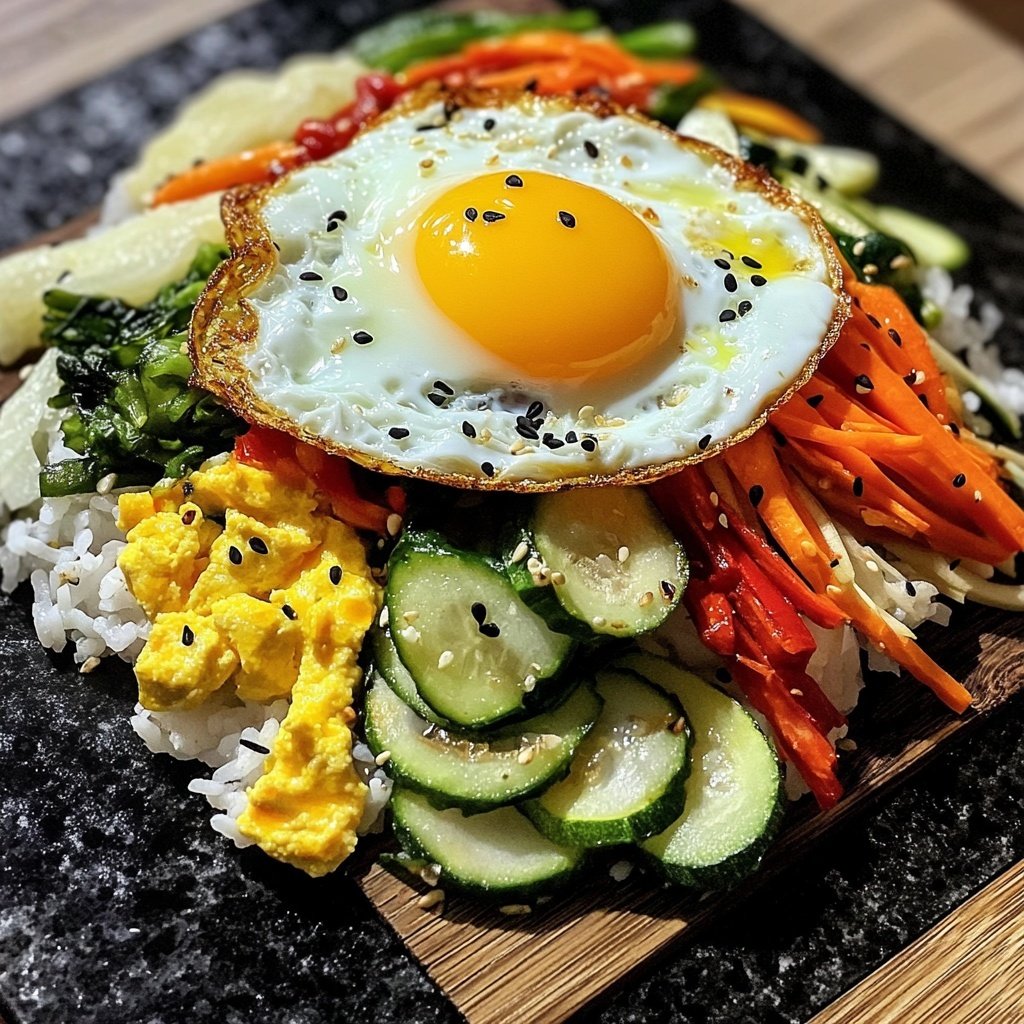
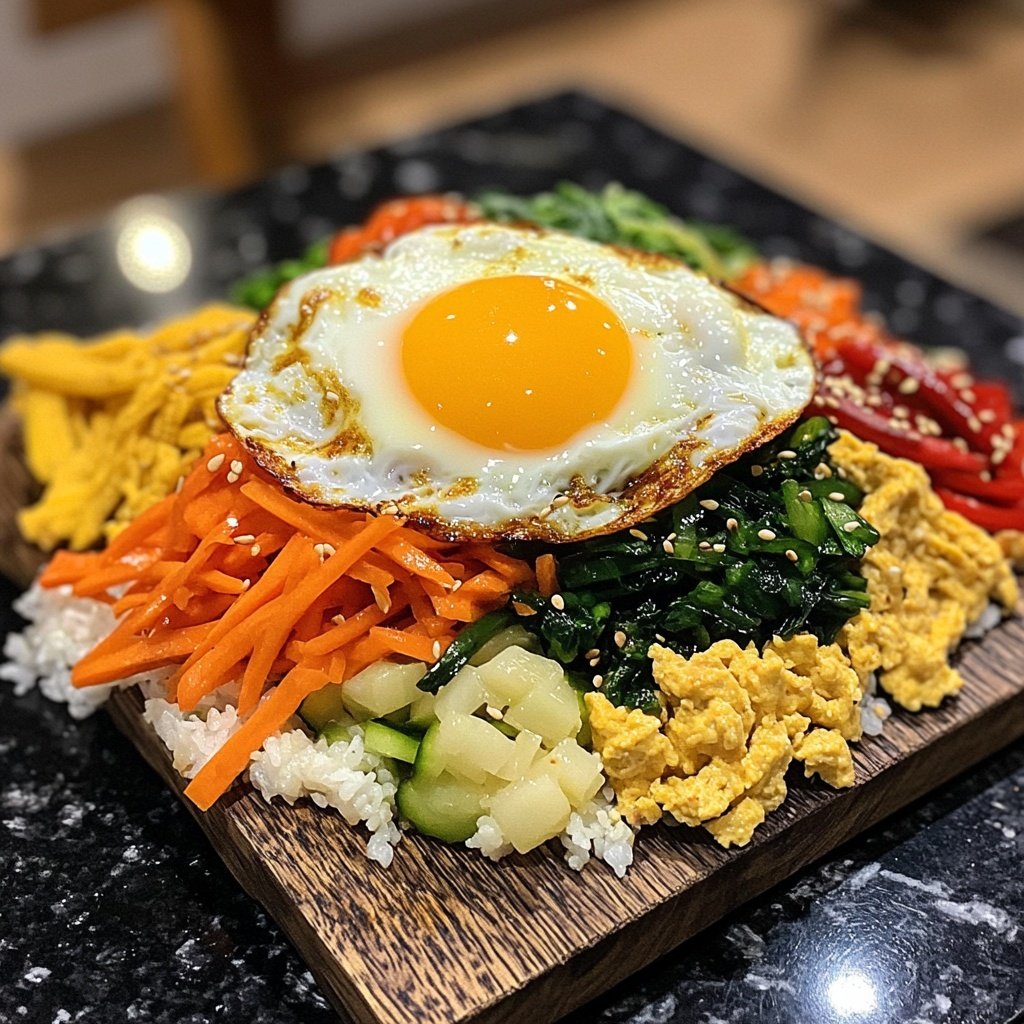
Korean Bibimbap is a vibrant and nutritious dish that combines rice, vegetables, and protein, topped with a fried egg and spicy gochujang sauce.
Korean Bibimbap is a beloved dish that showcases the harmony of flavors and textures found in Korean cuisine. It’s a perfect meal for sharing, bringing together fresh vegetables, protein, and the unique taste of gochujang.
Why You'll Love This Recipe
- A colorful and nutritious meal packed with flavors
- Customizable with your choice of vegetables and proteins
- Perfect for meal prep and feeding a crowd
The History of Bibimbap
Bibimbap is a traditional Korean dish that has been enjoyed for centuries. The name 'bibimbap' literally means 'mixed rice,' which perfectly describes this delightful meal. It is said to have originated from the practice of using leftover ingredients and combining them into a single bowl, making it a practical and economical dish for families.
Historically, bibimbap was often served during celebrations, symbolizing harmony and balance with its colorful array of vegetables and proteins. Each ingredient holds significance, representing different elements of nature. Today, bibimbap is enjoyed worldwide, celebrated for its vibrant presentation and wholesome flavors.
Nutritional Benefits
Korean Bibimbap is not only a feast for the eyes but also a powerhouse of nutrition. With a variety of vegetables like spinach, carrots, and zucchini, it offers a rich source of vitamins and minerals. The inclusion of protein, whether from beef or tofu, ensures that the dish is satisfying and nourishing, making it a great option for a balanced meal.
Additionally, the use of gochujang adds a kick of flavor while also providing health benefits. Gochujang is known for its potential metabolism-boosting properties and contains antioxidants. Overall, bibimbap is a wholesome choice that supports a healthy diet without sacrificing taste.
Customizing Your Bibimbap
One of the best things about bibimbap is its versatility. You can customize it based on seasonal vegetables, personal preferences, or dietary restrictions. Whether you prefer a vegetarian version with mushrooms and tofu or a meat-lover's delight with marinated bulgogi, the possibilities are endless.
Feel free to experiment with different toppings like avocado, kimchi, or even a spicy radish salad to elevate your bibimbap experience. This adaptability not only makes it suitable for everyone but also allows you to enjoy a unique dish every time you make it.
Ingredients
Gather all the fresh ingredients to create this delicious bibimbap.
Ingredients for Bibimbap
- 2 cups cooked short-grain rice
- 1 cup spinach, blanched
- 1 cup carrots, julienned
- 1 cup zucchini, julienned
- 1 cup bean sprouts, blanched
- 4 eggs
- 1 cup cooked beef or tofu
- 2 tablespoons gochujang
- 2 tablespoons sesame oil
- 1 tablespoon soy sauce
- Sesame seeds for garnish
Make sure to have all ingredients ready for a quick assembly!
Instructions
Follow these steps to create your delicious bibimbap.
Prepare the Vegetables
Blanch the spinach and bean sprouts separately. Sauté the carrots and zucchini in sesame oil until tender.
Cook the Eggs
Fry the eggs sunny-side up in a non-stick pan.
Assemble the Bibimbap
In a bowl, place a serving of rice, arrange the vegetables and protein on top, and add the fried egg.
Add Sauce and Serve
Drizzle gochujang and soy sauce over the top, sprinkle with sesame seeds, and mix before enjoying.
Enjoy your delicious homemade bibimbap!
Pro Tips
- Use a variety of colorful vegetables for a visually appealing dish. Feel free to substitute proteins based on your preference.
Serving Suggestions
Korean Bibimbap can be served as a standalone meal or paired with side dishes like kimchi or pickled vegetables to enhance the dining experience. The contrast of flavors and textures will leave your taste buds satisfied. Consider serving it in a hot stone bowl, known as dolsot, which keeps the rice warm and adds a delightful crispy texture at the bottom.
For an authentic touch, serve your bibimbap with traditional Korean side dishes, or banchan, such as seasoned seaweed, pickled radish, or spicy cucumber salad. These accompaniments not only add flavor but also create a well-rounded meal.
Storage and Meal Prep
Bibimbap is perfect for meal prep, making it a convenient option for busy weeknights. You can prepare the rice, vegetables, and protein in advance and store them in separate containers in the refrigerator. When you're ready to eat, simply assemble your bowl, fry an egg, and drizzle with sauce for a quick and nutritious meal.
If you have leftovers, bibimbap can be stored in an airtight container for up to three days. Reheat the rice and vegetables in a microwave or stovetop, then top with a fresh fried egg and sauce for a satisfying meal that feels just as good as the first time.
Tips for the Perfect Bibimbap
To achieve the best texture and flavor in your bibimbap, use short-grain rice, which is stickier and helps hold the ingredients together. The key to great bibimbap lies in the preparation of the vegetables; make sure to sauté them just until tender to retain their crunch and vibrant colors.
Don’t forget to adjust the amount of gochujang based on your heat preference. Start with a small amount and gradually add more to suit your taste. Mixing the gochujang with sesame oil and soy sauce can also create a delicious dressing that enhances the overall flavor of your bibimbap.
Questions About Recipes
→ Can I make bibimbap vegetarian?
Absolutely! Simply replace the meat with tofu or additional vegetables.
→ What can I use instead of gochujang?
You can use sriracha or a mix of chili paste and sugar for a similar spicy flavor.
→ How do I store leftovers?
Store the components separately in airtight containers in the fridge for up to 3 days.
→ Can I use brown rice?
Yes, brown rice can be used for a healthier option, but the texture will be different.
Korean Bibimbap
Created by: Winifred Calder
Recipe Type: Global Kitchen
Skill Level: Intermediate
Final Quantity: 4 servings
What You'll Need
Ingredients for Bibimbap
- 2 cups cooked short-grain rice
- 1 cup spinach, blanched
- 1 cup carrots, julienned
- 1 cup zucchini, julienned
- 1 cup bean sprouts, blanched
- 4 eggs
- 1 cup cooked beef or tofu
- 2 tablespoons gochujang
- 2 tablespoons sesame oil
- 1 tablespoon soy sauce
- Sesame seeds for garnish
How-To Steps
Blanch the spinach and bean sprouts separately. Sauté the carrots and zucchini in sesame oil until tender.
Fry the eggs sunny-side up in a non-stick pan.
In a bowl, place a serving of rice, arrange the vegetables and protein on top, and add the fried egg.
Drizzle gochujang and soy sauce over the top, sprinkle with sesame seeds, and mix before enjoying.
Extra Tips
- Use a variety of colorful vegetables for a visually appealing dish. Feel free to substitute proteins based on your preference.
Nutritional Breakdown (Per Serving)
- Calories: 500 kcal
- Total Fat: 20g
- Saturated Fat: 5g
- Cholesterol: 210mg
- Sodium: 600mg
- Total Carbohydrates: 65g
- Dietary Fiber: 5g
- Sugars: 4g
- Protein: 18g