High Protein Onion Bagels
Highlighted under: Global Kitchen
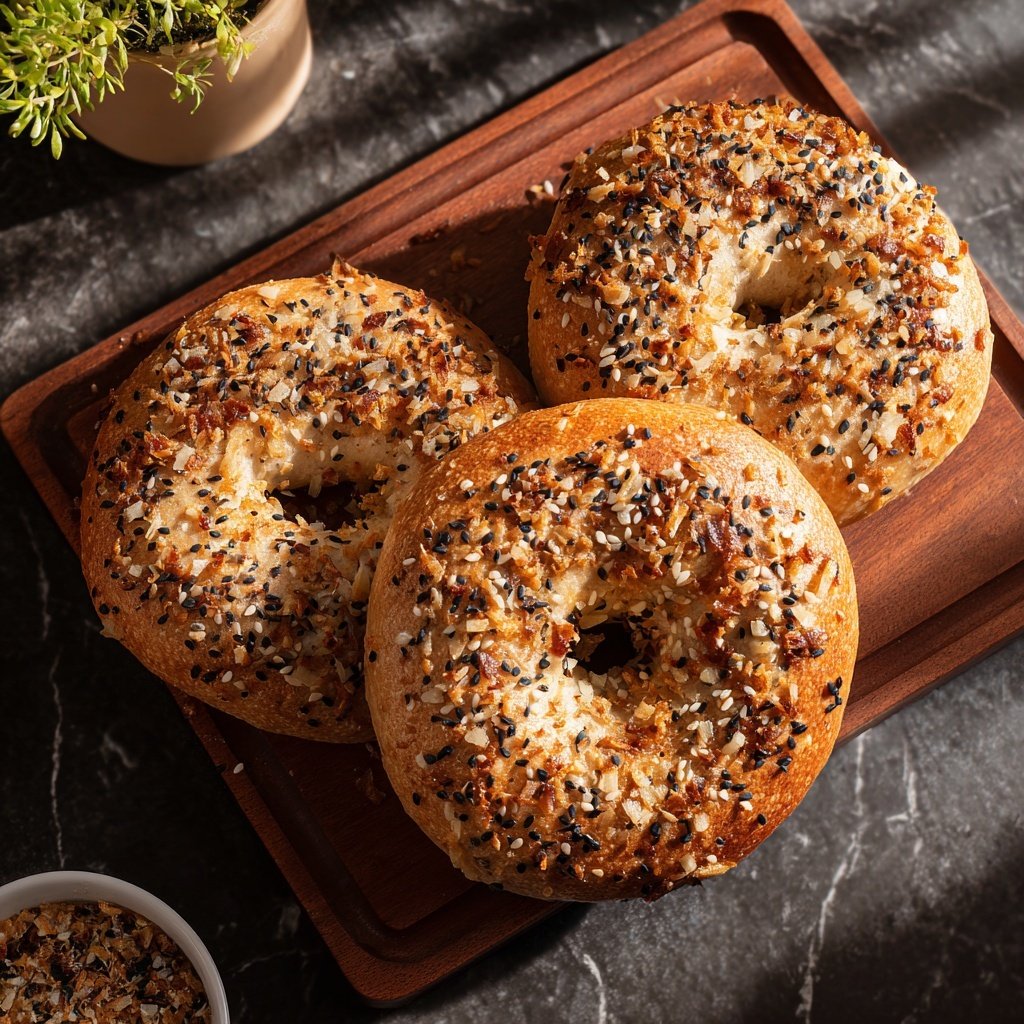
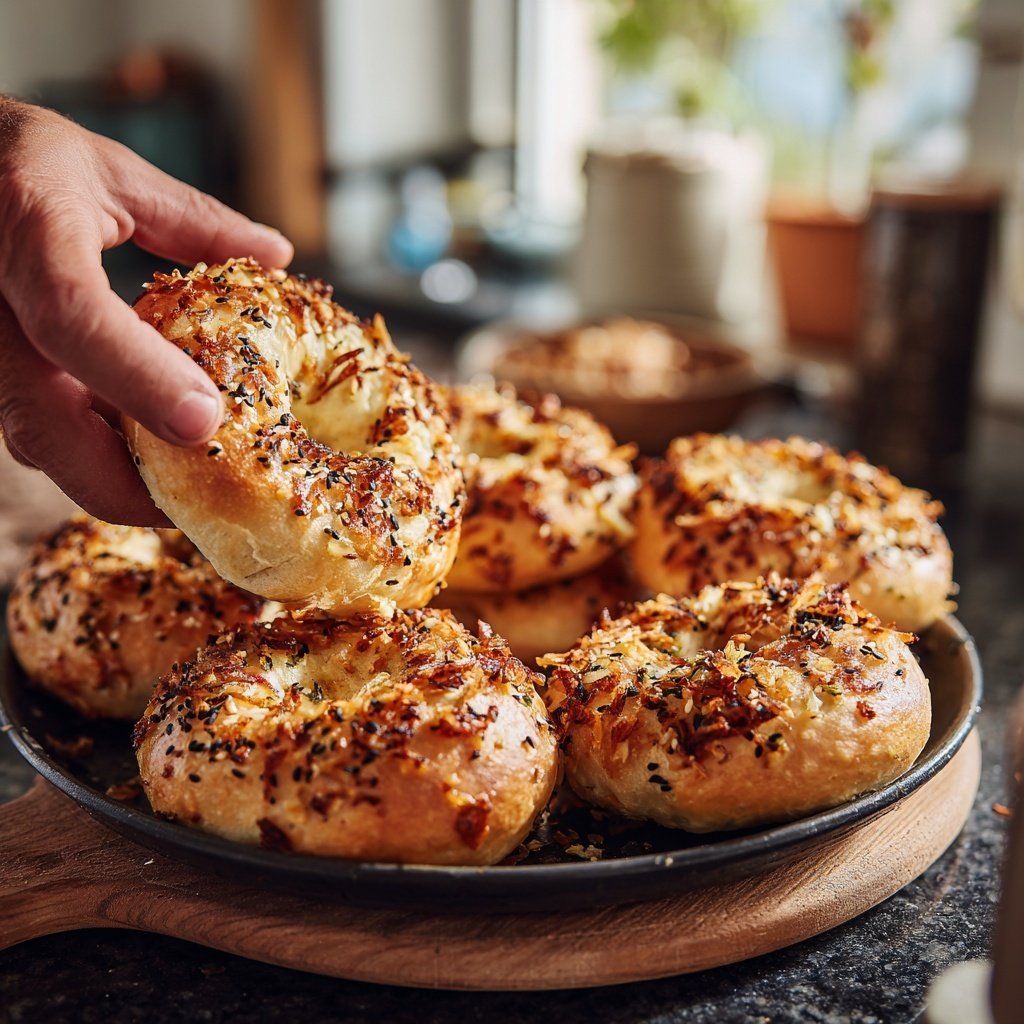
I’ve always loved the chewy texture of bagels, but when I discovered how to make them high in protein, my breakfast game changed completely. These High Protein Onion Bagels are not only packed with flavor but also perfect for starting my day on a nutritious note. The added onion gives a savory twist that makes them great for any time of day. Whether I pair them with cream cheese or eat them plain, these bagels are a satisfying and delicious way to enjoy a classic favorite while boosting my protein intake.
I remember the first time I decided to try my hand at baking bagels. The process seemed daunting, but once I mastered it, I couldn’t believe how rewarding it was. These High Protein Onion Bagels are a testament to that journey, combining rich flavors with essential nutrients. The inclusion of protein powder helps to elevate a traditional recipe into something more satisfying without compromising on taste.
What I love is that you can customize these bagels easily. Adding different herbs or spices turned out to be a game changer for me. For instance, I experimented with garlic powder once, and it transformed my bagels into a delightful savory treat!
Why You'll Love These Bagels
- High protein content keeps you full longer
- Savory onion flavor adds a unique twist
- Versatile base for various toppings and spreads
The Role of Protein in Bagels
Incorporating high-protein flour into these bagels not only enhances their nutritional value but also contributes to a chewier texture. Vital wheat gluten, which is a key ingredient here, is rich in protein and helps to develop gluten structure during kneading. This results in a bagel that boasts a pleasing bite, classic to traditional bagels, while also keeping you feeling fuller for longer. The protein content makes these bagels an excellent choice for post-workout breakfasts or mid-afternoon snacks.
Protein isn’t just essential for sustaining energy; it also plays a vital role in the overall flavor and texture of baked goods like bagels. The increased protein helps in yeast fermentation, allowing for better rise and texture. So, when mixing in your high-protein flour, don’t rush the kneading process; aim for about 10 minutes until the dough is smooth and elastic. A well-kneaded dough will ensure your bagels have that authentic, satisfying chew.
Perfecting the Bagel Shape
When shaping your bagels, it's crucial to ensure that you’re forming them evenly. Each portion of dough should be rolled tightly into a ball before poking a hole in the center. This technique will help maintain the structure and prevent them from collapsing when boiling. Letting them rest for 10 minutes after shaping also allows the gluten to relax, which aids in achieving a perfect bagel that holds its form during the boiling process.
If you find that your bagels are not holding their shape well when boiled or baked, it could be due to under-kneading. Ideally, the dough should be soft but not sticky. If you encounter stickiness, consider adding a sprinkle of flour during the kneading process. Additionally, make sure your boiling water remains at a gentle boil. A rolling boil can cause your bagels to fall apart. Adjusting the heat to maintain a simmer will yield the best results.
Storage and Serving Suggestions
These High Protein Onion Bagels can be stored in an airtight container for up to three days at room temperature or a week in the fridge. If you want to keep them fresh for longer, consider freezing them. Once fully cooled, wrap each bagel individually in plastic wrap, then place them in a freezer-safe bag. They can be thawed and reheated in a toaster, providing a quick and satisfying breakfast option anytime.
For serving, these bagels lend themselves well to a variety of toppings. Cream cheese is a classic pairing, but I also love them smeared with hummus for a nutritious twist. Try adding sliced cucumbers or tomatoes for an added crunch and freshness. If you're feeling adventurous, experiment with different cheese or veggie spreads. These bagels are versatile and can easily complement your breakfast, lunch, or even snack time.
Ingredients
Here’s what you’ll need to prepare these delicious bagels:
For the Bagels
- 2 cups bread flour
- 1 cup high-protein flour (e.g., vital wheat gluten)
- 1 packet (2 1/4 tsp) active dry yeast
- 1 cup warm water
- 2 tbsp sugar
- 1 tsp salt
- 1 cup diced onion (cooked)
- 1 tbsp olive oil
For Boiling
- 2 quarts water
- 1 tbsp baking soda
- 1 tsp salt
Make sure all your ingredients are prepped before you start!
Instructions
Follow these steps to make your high protein bagels:
Prepare the Dough
In a mixing bowl, combine the bread flour, high-protein flour, yeast, warm water, sugar, and salt. Mix until a dough forms, then knead for about 10 minutes until smooth. Incorporate the cooked onion and olive oil during the last few minutes of kneading.
First Rise
Transfer the dough to a greased bowl, cover with a damp cloth, and let it rise in a warm place for about 60 minutes, or until doubled in size.
Shape the Bagels
After the dough has risen, punch it down and divide it into 8 equal pieces. Roll each piece into a ball and then poke a hole in the center to shape into bagels. Let them rest for about 10 minutes.
Boil the Bagels
In a large pot, bring the water, baking soda, and salt to a boil. Carefully add the bagels, boiling them for 1-2 minutes on each side. Remove and let drain on a wire rack.
Bake
Preheat the oven to 425°F (220°C). Place the boiled bagels on a baking sheet lined with parchment paper and bake for 20 minutes or until golden brown.
Cool and Enjoy
Let the bagels cool on a wire rack before slicing. Enjoy with your favorite toppings!
Your homemade High Protein Onion Bagels are now ready! Enjoy them fresh!
Pro Tips
- For an extra burst of flavor, try adding garlic or chives to the dough. Also, storing the bagels in an airtight container preserves their freshness for longer.
Troubleshooting Common Issues
If your bagels turn out denser than expected, it may indicate that the dough was not kneaded long enough or that too much flour was added during the mixing process. Ensuring the right balance of moisture and flour is key. Always add flour gradually and be mindful of the dough's consistency—it should be slightly tacky but still manageable.
Another common issue is if your bagels puff up too much while boiling. This can happen if they are too soft or if the water is boiling too vigorously. Just remember, keeping your water at a gentle boil and ensuring they rest adequately before cooking will help achieve that perfect bagel density.
Ingredient Substitutions
You can customize these bagels by substituting ingredients based on dietary needs or flavor preferences. For instance, if you’re looking for a gluten-free option, you can use a gluten-free flour blend designed for bread, though the texture may differ slightly. It’s essential to check that the blend includes xanthan gum or similar for structure.
For a dairy-free version, you can replace the olive oil with melted coconut oil, and instead of cream cheese as a topping, avocado or nut butter can provide a delightful creamy counterpart. These simple swaps make it easier to enjoy this high-protein bagel recipe while catering to varied dietary preferences.
Questions About Recipes
→ Can I use whole wheat flour?
Yes, you can substitute whole wheat flour, but the texture may vary slightly.
→ How do I store leftover bagels?
Store any leftover bagels in an airtight container at room temperature for up to 3 days, or freeze them for longer storage.
→ Can I make these bagels vegan?
Yes, you can replace the honey with a vegan sweetener and use plant-based protein powder.
→ What can I add to the bagels for flavor?
You can add various toppings like sesame seeds, poppy seeds, or other spices to the bagel before baking!
High Protein Onion Bagels
Created by: Winifred Calder
Recipe Type: Global Kitchen
Skill Level: Intermediate
Final Quantity: 8 bagels
What You'll Need
For the Bagels
- 2 cups bread flour
- 1 cup high-protein flour (e.g., vital wheat gluten)
- 1 packet (2 1/4 tsp) active dry yeast
- 1 cup warm water
- 2 tbsp sugar
- 1 tsp salt
- 1 cup diced onion (cooked)
- 1 tbsp olive oil
For Boiling
- 2 quarts water
- 1 tbsp baking soda
- 1 tsp salt
How-To Steps
In a mixing bowl, combine the bread flour, high-protein flour, yeast, warm water, sugar, and salt. Mix until a dough forms, then knead for about 10 minutes until smooth. Incorporate the cooked onion and olive oil during the last few minutes of kneading.
Transfer the dough to a greased bowl, cover with a damp cloth, and let it rise in a warm place for about 60 minutes, or until doubled in size.
After the dough has risen, punch it down and divide it into 8 equal pieces. Roll each piece into a ball and then poke a hole in the center to shape into bagels. Let them rest for about 10 minutes.
In a large pot, bring the water, baking soda, and salt to a boil. Carefully add the bagels, boiling them for 1-2 minutes on each side. Remove and let drain on a wire rack.
Preheat the oven to 425°F (220°C). Place the boiled bagels on a baking sheet lined with parchment paper and bake for 20 minutes or until golden brown.
Let the bagels cool on a wire rack before slicing. Enjoy with your favorite toppings!
Extra Tips
- For an extra burst of flavor, try adding garlic or chives to the dough. Also, storing the bagels in an airtight container preserves their freshness for longer.
Nutritional Breakdown (Per Serving)
- Calories: 250 kcal
- Total Fat: 3g
- Saturated Fat: 0.5g
- Cholesterol: 0mg
- Sodium: 250mg
- Total Carbohydrates: 42g
- Dietary Fiber: 2g
- Sugars: 1g
- Protein: 12g